
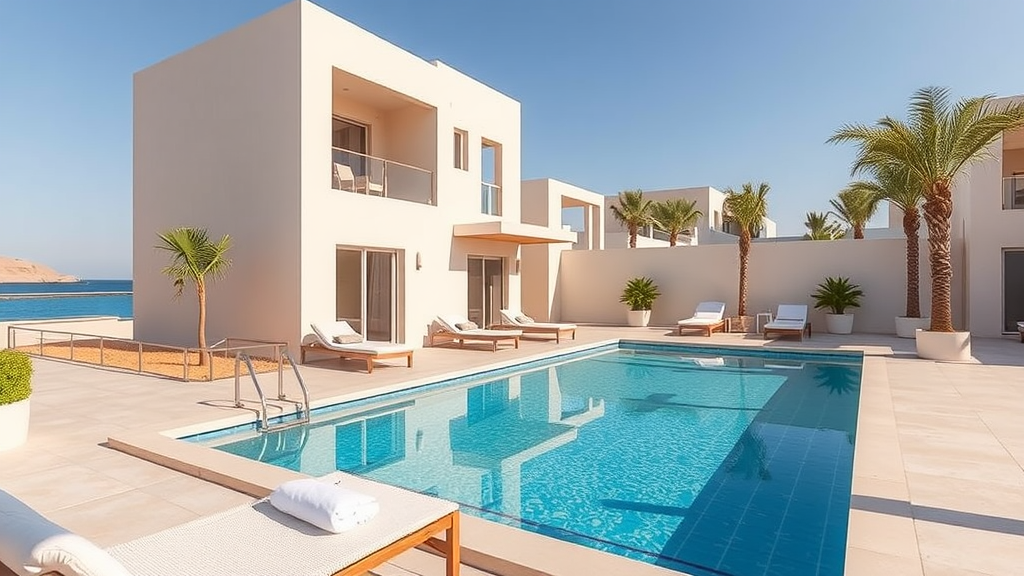
The impact of Hurghada’s sunny weather on mental health compared to nordic countries
For many people, the weather can significantly influence mental health. This is particularly true when comparing regions with contrasting climates, such as Hurghada in Egypt and the Nordic countries. Hurghada, known for its sunny weather almost all year round, offers an array of benefits that can positively affect mental well-being.
One of the most crucial aspects to consider is sunlight exposure. Let’s look into how the consistent sunny weather in Hurghada uplifts mood and mental health compared to the often-overcast skies found in Nordic nations.
Sunlight and vitamin d
Sunlight is a natural source of Vitamin D, which is essential for many bodily functions. In Hurghada, the abundance of sunlight allows for daily exposure to this vital nutrient. Vitamin D is known to aid in serotonin production, the hormone responsible for regulating mood. A positive correlation exists between high Vitamin D levels and lower instances of depression and anxiety. In contrast, Nordic countries experience long winters with limited sunlight, leading to Vitamin D deficiency and a rise in Seasonal Affective Disorder (SAD).
Mood elevation through sunshine
The bright, warm sunshine of Hurghada not only uplifts spirits but also encourages outdoor activities. Here are some of the key benefits:
- Increased Physical Activity: With the pleasant weather, residents and visitors are more inclined to engage in physical activities such as swimming, hiking, or simply walking along the beach. Exercise is a powerful tool for combating stress and depression.
- Social Interaction: Sunny weather promotes social activities. Whether it’s dining outdoors or participating in community events, why not make the most of the beautiful weather? This social engagement is vital for mental health.
- Connection to Nature: The bright atmosphere encourages individuals to connect with nature, which is known to have calming effects. Nature walks or beach visits can significantly reduce stress levels.
Contrast in seasonal changes
One of the notable differences between Hurghada and Nordic countries is the seasonal fluctuation in climate. In the Nordic regions, people often experience extended periods of dark, cold weather, leading to feelings of isolation and depression. The contrast is stark when considering Hurghada’s stable climate, where residents rarely have to cope with prolonged periods of darkness.
This stability fosters a more consistent emotional state. The continuous exposure to bright days allows individuals to maintain higher energy levels and a more balanced mood throughout the year. It alleviates feelings of lethargy that can often accompany colder climates.
Focus on lifestyle and wellbeing
In many ways, lifestyle in Hurghada aligns with its sunny weather, promoting overall well-being. Here’s how:
- Outdoor Living: Most establishments have outdoor seating and facilities, encouraging a lifestyle filled with fresh air and socializing.
- Health-Friendly Cuisine: Access to fresh and healthy Mediterranean foods contributes to a balanced diet which is crucial for both physical and mental health.
- Relaxation Opportunities: The warm environment makes relaxation more accessible, whether through visits to the beach or scheduling a day at a spa.
Accessibility of mental health resources
Although sunny weather plays a vital role in mental health, access to mental health resources is equally important. In Hurghada, greater emphasis is placed on integrative health, including therapies that align with the understanding that mental well-being is deeply affected by one’s environment. In contrast, Nordic countries often face challenges related to the stigmatization of mental health, limiting access to necessary support during darker months.
The abundance of sunshine in Hurghada not only fosters a positive atmosphere conducive to relaxation and socialization but also helps combat the negative effects of seasonal changes seen in Nordic climates. The impact of sunny weather on mental health in Hurghada showcases the importance of environmental factors on overall well-being. Understanding this connection could encourage individuals in colder climates to seek out ways to boost their exposure to light and social interaction, while those in sunny locations continue to prioritize mental health through engagement with their vibrant surroundings.
The role of sunlight in enhancing mood and well-being in different climates
Sunlight plays a vital role in our mental health and overall well-being. In regions like Hurghada, where sunny weather is abundant, the positive effects of sunlight can have a significant influence on mood enhancement. Comparatively, in Nordic countries, where long months of darkness prevail, the lack of sunlight can lead to distinct challenges for mental health.
Exposure to sunlight stimulates the production of serotonin, a neurotransmitter that contributes to feelings of happiness and well-being. High serotonin levels are linked to boosted mood and increased focus. In places such as Hurghada, where sunny days are the norm, residents can benefit from natural sunlight, which encourages serotonin production throughout the year. By contrast, the reduced light exposure in Nordic countries, especially during winter months, can lower serotonin levels, potentially resulting in seasonal affective disorder (SAD) for some individuals.
The following points outline how sunlight impacts mood and well-being:
- Increased Vitamin D Production: Sunlight is the primary source of Vitamin D, which plays a crucial role in mood regulation. In sunny climates like Hurghada, individuals can easily absorb this essential vitamin through their skin. Nordics often experience a deficiency due to prolonged periods without sufficient sunlight.
- Improved Sleep Quality: Natural light helps regulate sleep patterns. In Hurghada, enjoyed long days promote a healthy circadian rhythm, leading to better sleep. In contrast, the dark winters of Nordic regions can disrupt these patterns, making it harder to fall asleep and stay rested.
- Enhanced Social Interaction: Sunny weather encourages outdoor activities and social engagement. With abundant sunshine, communities in Hurghada often gather outside, fostering social connections that are vital for emotional health. In Nordic countries, the harsh winters can lead to increased isolation during the darkest months.
- Boosted Energy Levels: Sunlight exposure can increase energy levels. When you spend time in the sun, you often feel more active and alert, which is apparent in countries like Hurghada that enjoy warm, sunny climates. Conversely, the gloominess in Nordic countries may leave individuals feeling lethargic and low on energy.
Aside from its direct effects on mood, the sunny weather in Hurghada promotes healthier lifestyles. With access to outdoor activities such as swimming, hiking, and sports, residents are more likely to stay physically active. Regular physical activity is linked to better mental health, creating a positive feedback loop that improves well-being. In Nordic countries, outdoor activities can become less frequent during winter months, affecting both physical and mental health.
Furthermore, the psychological benefits of being in a pleasant, sunlit environment cannot be overlooked. Natural light brightens spaces, making them feel more welcoming and positive. In Hurghada, the combination of beautiful beaches and vibrant sunlit landscapes creates an uplifting atmosphere. This starkly contrasts with the often gray skies of Nordic regions which can contribute to feelings of sadness and despair during winter.
Interestingly, the effects of sunlight aren’t limited to just the physical realm. Many people feel an emotional lift when they are in bright, sunny environments. This upliftment is largely associated with the concept of “biophilia,” which suggests that humans have an innate tendency to seek connections with nature and other forms of life. Consequently, the natural scenery combined with endless sunshine in Hurghada often leads to a profound sense of happiness that many in Nordic countries can’t experience, especially during the dark winter months.
Some effective strategies to combat the negative effects of limited sunlight in Nordic regions include:
- Light Therapy: Using light therapy lamps can simulate sunlight exposure and help alleviate symptoms of SAD.
- Engaging in Outdoor Activities: Making the most of sunny days by participating in outdoor activities can significantly enhance mood.
- Traveling to Sunny Destinations: Taking short trips to sunny locations during the winter months can provide the much-needed sunlight for better mental health.
The role of sunlight in enhancing mood and well-being is profoundly significant. Regions like Hurghada exemplify how a sunny climate can improve mental health and create vibrant, connected communities. In contrast, the long, dark winters of Nordic countries present challenges that can be mitigated with proactive strategies. Embracing sunlight, whether through travel or lifestyle changes, can certainly pave the way for improved emotional well-being, regardless of where you are in the world.
The sunny weather in Hurghada brings a host of benefits for mental health that stands in stark contrast to the often gloomy climates of Nordic countries. Regular exposure to sunlight is vital for regulating mood, as it helps to increase the production of serotonin, a brain chemical that enhances feelings of happiness and well-being. In places like Hurghada, the abundant sunshine creates an inviting environment that promotes outdoor activities, social interactions, and a sense of community—all essential factors for maintaining mental health.
On the other hand, the long, dark winters typical of Nordic countries can lead to increased instances of Seasonal Affective Disorder (SAD) and other mental health issues caused by a lack of sunlight. While these regions have unique cultural and social support systems, the absence of consistent sunshine can make it harder for individuals to maintain a positive outlook.
The benefits of Hurghada’s sunny weather extend beyond just enhancing mood; they foster a lifestyle that encourages mental resilience. Engaging in outdoor activities under the sun, such as swimming, hiking, or simply enjoying a walk, can create a sense of empowerment and joy that is sometimes lacking in the darker climates of the north.
As you reflect on these differences, it becomes clear that sunny environments like Hurghada not only lift spirits but also play a crucial role in promoting overall mental health. Embracing the sunlight can serve as a vital tool in enhancing well-being, making it essential to consider climate when addressing mental health strategies.