
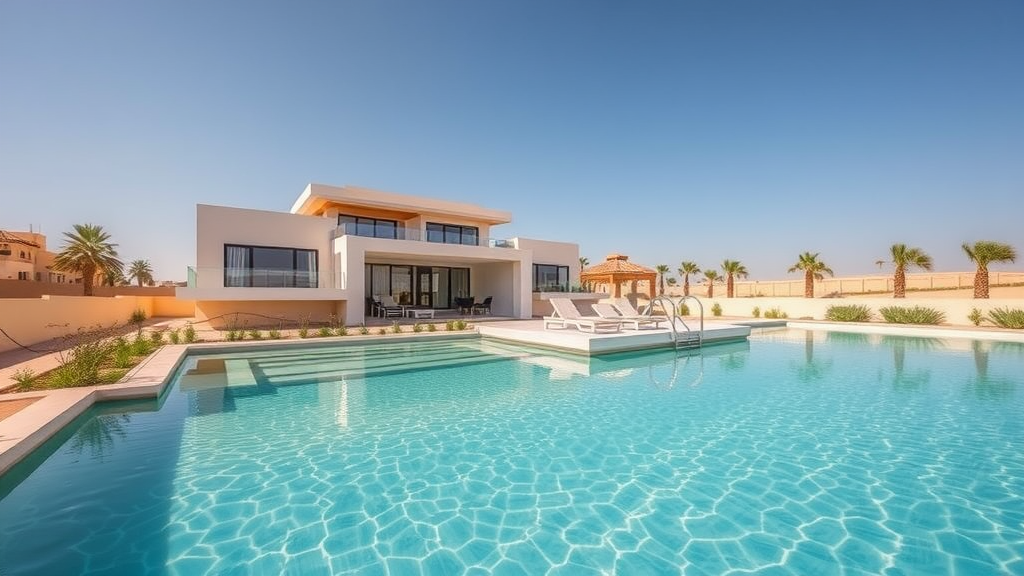
Evaluating Hurghada’s clean air: a comparison with industrial european cities
When you think of clean air, a place like Hurghada in Egypt may not come to mind immediately. However, this coastal city thrives on its clear blue skies and remarkably clean air, especially when compared to many industrial European cities. Air pollution is a growing concern around the globe, with industrial activities often releasing harmful emissions into the atmosphere. In this piece, we will explore how Hurghada’s air quality stands out in stark contrast to that found in heavily industrialized areas in Europe.
One of the key factors contributing to Hurghada’s clean air is its geographical location. Nestled along the Red Sea, the city benefits from constant airflow and minimal industrial activity in the immediate vicinity. This natural ventilation helps dissipate pollutants that may linger in more congested urban areas. In addition, Hurghada boasts significant greenery and a focus on protecting local ecosystems, which further enhance air quality.
In contrast, European industrial cities such as Berlin, London, and Milan often face significant challenges related to air pollution. These cities are dominated by factories, heavy traffic, and other emissions sources that contribute to smog and other pollution-related issues. A recent report by the European Environment Agency found that nearly 30% of urban dwellers in Europe are exposed to levels of air pollution that exceed the World Health Organization’s limits.
Consider the major sources of air pollution in industrial European cities:
- Industrial emissions: Factories often release sulfur dioxide, nitrogen oxides, and particulate matter into the air.
- Vehicle emissions: Heavy traffic, especially diesel vehicles, contributes significantly to air contamination.
- Construction activities: Dust and hazardous air particles from construction sites can add to the problem.
- Energy production: Coal and other fossil fuels used in energy production release greenhouse gases and pollutants.
In contrast, Hurghada enjoys lower levels of these emissions due to its limited industrial activity. The city’s economy thrives mainly on tourism, which results in less pressure on the environment. As a tourist destination, Hurghada attracts visitors seeking a retreat, often focusing on outdoor activities such as diving and sunbathing. This focus on nature-based tourism encourages the local government to prioritize maintaining the clean air and beautiful landscapes.
Additionally, Hurghada’s favorable weather conditions contribute to its clean air. The city experiences warm, dry weather most of the year, which allows for the rapid dispersal of airborne pollutants. In contrast, rainy conditions in industrial European cities can lead to the accumulation of pollutants, creating smoggy conditions and heightened health risks for residents.
Health impacts related to air quality are another crucial aspect. Studies indicate that air quality in urban centers like London and Berlin can lead to serious health issues, including respiratory diseases, cardiovascular problems, and even premature death. In contrast, Hurghada’s clean air benefits residents and visitors alike, resulting in fewer health-related complications linked to pollution.
Given the growing concerns about climate change and air quality, cities across Europe are aiming to enhance their environmental efficiency. Many are investing in electric public transportation, renewable energy, and stricter emissions regulations to improve air quality. However, these initiatives come with their own challenges and time frames for implementation, whereas Hurghada continues to benefit from its naturally cleaner air.
As awareness of air quality grows, travelers are increasingly drawn to destinations offering pristine environments. The comparison between Hurghada and industrial European cities highlights the impact of human activity on air pollution. You have the opportunity to experience the clear skies and healthy atmosphere that Hurghada provides.
Hurghada’s clean air offers a distinctive advantage over industrial European cities grappling with pollution. The geographical location, low industrial activity, favorable weather, and commitment to environmental conservation play integral roles in maintaining this air quality. For anyone seeking a healthy escape, Hurghada stands out as a premier destination for enjoying the outdoors and breathing in fresh air.
The impact of pollution on public health: lessons from Hurghada and europe
Pollution has emerged as a significant threat to public health globally, making it essential to study its effects on communities in different regions. One town, Hurghada, located on the Red Sea in Egypt, stands out as a stark example of cleaner air in contrast to industrial regions in Europe. This comparison reveals striking lessons about the consequences of pollution and how it influences public health standards.
In Hurghada, the air quality benefits from minimal industrial activity and strict environmental regulations. Unlike many industrial cities in Europe, where factories emit significant amounts of pollutants, Hurghada enjoys a natural environment that contributes to cleaner air. Pollutants such as sulfur dioxide, nitrogen oxides, and particulate matter are relatively low, creating a healthier atmosphere.
In contrast, many European cities are grappling with severe pollution issues. Industrial emissions combined with heavy traffic contribute to deteriorating air quality, directly impacting respiratory health. Studies show that long-term exposure to such pollutants increases the risk of chronic diseases, cancer, and respiratory issues. For instance, data from cities like Paris and London indicate that air pollution is responsible for thousands of premature deaths each year.
Key observations about how pollution influences public health can be summarized as follows:
- Respiratory Diseases: Regions with high pollution levels exhibit higher rates of asthma and chronic obstructive pulmonary disease. Hurghada’s clean air contributes to lower incidences of these conditions.
- Cardiovascular Issues: Airborne toxins can lead to heart diseases. Clean air in Hurghada helps mitigate this risk compared to heavily polluted urban areas.
- Children’s Health: Children are particularly vulnerable to pollutants, which can hinder lung development and lead to long-term health issues. Hurghada’s cleaner environment supports healthier development in young residents.
- Mental Health: Emerging studies suggest a link between pollution and mental health problems. Cities with excessive air pollution report higher rates of anxiety and depression, while Hurghada, with its clean air, provides a calming environment.
The comparison of pollution levels between Hurghada and industrial Europe brings forth a significant reality check. While Europe has made strides in policy and technology to reduce emissions, the sheer volume of pollutants remains problematic. The European Union has regulations in place regarding air quality, yet enforcement and compliance vary significantly by region.
On the flip side, Hurghada has unique challenges of its own. While the air quality is relatively pristine, the area faces pressure from tourism and seasonal fluctuations. An influx of tourists can lead to temporary spikes in pollution due to increased vehicle use and waste generation. However, the local government has been pushing for initiatives that promote environmental sustainability, emphasizing the importance of maintaining their clean air advantage.
Public health campaigns in Hurghada highlight the need to preserve clean air as an invaluable resource. By regulating industrial activity and promoting eco-friendly practices, the city aims to maintain its public health benefits. Encouraging local businesses to adopt sustainable practices not only supports the economy but also contributes to overall better air quality.
Another critical point to consider is the resilience of ecosystems in less polluted areas. The pristine waters of the Red Sea and the surrounding landscapes benefit from lower pollution levels. Clean ecosystems often result in lower disease vectors, which can contribute to public health. In regions suffering from industrial pollution, the ecosystem’s balance is often disturbed, leading to broader health challenges.
Lessons learned from the ongoing struggle between pollution and public health of Hurghada and industrial Europe highlight the necessity of prioritizing air quality. As residents of Europe advocate for cleaner air through various initiatives, it’s essential to recognize that sustainable practices and environmental policies can yield health benefits for societies. Various measures, including enhancing public transportation, reducing vehicular emissions, and promoting renewable energy sources, can play a vital role in overcoming these challenges.
Ultimately, Hurghada’s clean air advantage serves as a reminder of the profound link between pollution levels and community health. The ongoing struggle against pollution in European industrial centers presents an opportunity to learn from places like Hurghada, where cleaner air can result in healthier populations. These insights recognize public health as an essential pillar in discussions surrounding environmental policies, encouraging nations to prioritize clean air for all.
Hurghada stands out as a beacon of clean air, especially when contrasted with several industrial European cities known for their struggle with pollution. The clear skies and fresh winds of this Egyptian coastal gem create an environment that not only enhances the quality of life for residents but also attracts tourists seeking respite from polluted urban areas. Evaluating Hurghada’s clean air reveals the benefits of prioritizing environmental health, demonstrating how effective policies and geographical advantages can promote cleaner living conditions.
Meanwhile, the impact of pollution on public health remains a pressing concern in industrial Europe. Airborne toxins and particulate matter have been linked to various health issues, including respiratory diseases and cardiovascular problems. The lessons drawn from Hurghada’s success can serve as a motivating example for European cities striving to mitigate pollution levels. Adopting sustainable practices, investing in green spaces, and fostering cleaner industries are vital steps that can help reduce pollution’s harmful effects on public health.
Ultimately, analyzing pollution levels through the lens of Hurghada’s air quality offers not just a comparison, but a call to action. By learning from both the successes and the challenges faced in different regions, cities in Europe can transform their commitment to cleaner air into tangible improvements for their populations. Protecting air quality should be a shared responsibility, paving the way for healthier futures both in Hurghada and beyond.