Analyzing how dutch investors calculate mortgage costs when buying Hurghada villas
Investing in real estate abroad, particularly villas in Hurghada, Egypt, can be an exciting opportunity for Dutch investors. However, understanding the mortgage costs involved is crucial for making informed decisions. Dutch investors typically take a systematic approach to evaluate the various components that contribute to mortgage expenses while purchasing property overseas.
Firstly, Dutch investors focus on the property price. The initial cost of the villa is the starting point for any calculations. Investors should consider additional fees such as taxes, agent commissions, and notary costs, which can add a significant amount to the total price. Generally, these additional fees can range from 5% to 10% of the purchase price, depending on local regulations and specific transaction details.
Next, it’s essential to examine the mortgage interest rate. Dutch investors often compare the rates offered by various banks and financial institutions. Interest rates can vary dramatically based on factors such as the investor’s credit score, loan term, and the overall economic climate. A lower interest rate can result in substantial savings over the life of the loan. Many investors lock in a fixed interest rate to ensure their monthly payments remain stable, which is especially beneficial in the fluctuating economy of property investments abroad.
Another factor to consider is the down payment. Dutch investors are typically required to make a down payment of around 20% to 30% of the property value when acquiring properties overseas. This upfront investment can impact the loan amount, and thus, the mortgage costs. A higher down payment reduces the mortgage amount and can result in lower monthly payments and less overall interest paid. Investors should ensure that they have adequate funds available to meet these initial requirements.
Calculating the monthly mortgage payment is a critical aspect for Dutch investors. The formula for calculating this payment typically includes the mortgage amount, interest rate, and loan term. To simplify, the following formula can be utilized:
- Monthly Payment = P[r(1 + r)^n] / [(1 + r)^n – 1]
Where:
P = principal loan amount
r = monthly interest rate (annual rate/12)
n = number of payments (loan term in months)
By knowing the monthly payment, investors can better evaluate their financial commitment and assess their ability to meet such obligations.
Taxes are also a crucial part of the mortgage cost equation. In Egypt, property owners must pay real estate taxes, which vary according to the property’s value and location. Dutch investors should research local tax laws and ensure they are aware of any potential increases in taxes, which can impact overall costs in the long term. Periodic tax assessments may come into play, affecting the investment’s profitability. A tax consultant familiar with both Dutch and Egyptian regulations can offer sound advice, which can be invaluable.
Beyond the mortgage costs, investors should be conscious of maintenance and management fees. Owning a villa in Hurghada may require hiring management services or caretakers, especially if the property will not be occupied year-round. These costs can be a significant part of ongoing expenses, so they should be factored into the overall financial considerations. Investors must plan for regular maintenance and unexpected repairs as well, creating a reserve fund and budgeting for these commonly overlooked expenses.
Market conditions play a vital role. Investors should analyze local trends in property values and rental demand. If the villa is intended for rental purposes, understanding market dynamics will help set competitive rental prices and ensure consistent income to offset mortgage costs. Monitoring local real estate developments and economic indicators will aid investors in making prudent investment decisions.
The process of calculating mortgage costs when buying Hurghada villas involves a thorough evaluation of several factors, including property price, mortgage interest rates, down payment, monthly payments, tax obligations, maintenance fees, and market conditions. By meticulously analyzing these elements, Dutch investors can make informed choices that align with their financial goals and ensure successful overseas property investments.
Key factors influencing property investment decisions in Hurghada for foreign buyers
Investing in property in Hurghada, Egypt, has captured the attention of foreign buyers, and several key factors influence their decisions. Understanding these factors can help potential investors make informed choices when considering properties in this vibrant coastal city.
Market trends and demand
The property market in Hurghada has experienced significant growth, driven by increased tourism and an influx of foreign buyers. Investors often look at market trends and demand levels to predict future property values. A high demand indicates a promising return on investment (ROI). Therefore, it’s wise to stay updated on the latest market insights and forecasts.
Location and accessibility
Location plays a crucial role in property investment. Buyers often focus on areas with easy access to amenities such as schools, hospitals, and entertainment. Proximity to the beach, cafes, and shopping centers also enhances the appeal of a property. Consider locations in Hurghada that are close to popular tourist attractions and well-connected by public transport.
Potential returns on investment
When assessing a property, foreign buyers often evaluate its potential for generating income. Short-term rentals can be particularly lucrative in tourist hotspots like Hurghada. Investors should research rental yields and occupancy rates to ascertain how much income they can realistically expect. A property that can generate a steady cash flow will likely be more attractive.
Legal considerations
Understanding the legal landscape of property investment in Egypt is vital for foreign buyers. It’s essential to be aware of ownership laws, residency regulations, and tax implications. Foreign investors should consult local real estate professionals or legal advisors to navigate these complexities effectively. Knowledge of local laws can significantly impact investment decisions.
Property types and features
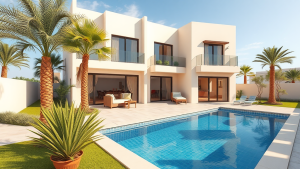
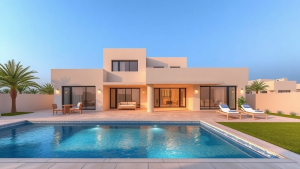
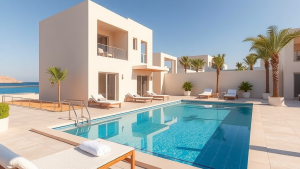
Different property types can serve various investment purposes. Buyers must decide whether they want apartments, villas, or commercial spaces. Each type has its pros and cons, depending on the investor’s goals. For example, villas may provide high-end rental opportunities, while apartments could cater to a broader market. Investors must analyze the features that meet their target market’s needs, such as private pools, sea views, or proximity to leisure activities.
Property management options
If foreign investors plan to rent out their properties, they should consider property management options. Many companies in Hurghada offer services that handle rentals, maintenance, and guest relations. Choosing a reliable management team can alleviate the stresses of being an absentee landlord. This option ensures that the property is well-maintained and can maximize rental income.
Cost of living and maintenance
The cost of living in Hurghada is relatively affordable compared to many Western nations, which is appealing for foreign buyers. Understanding ongoing costs, including property maintenance, utilities, and homeowners association fees, is vital to ensure the property remains a sound investment. Assessing these costs against potential rental income will help investors gauge their profitability.
Financing options
Many foreign buyers explore financing options available for property investment in Egypt. Investors should research local banks and financial institutions that offer mortgage plans tailored to expatriates. Understanding interest rates, repayment terms, and available currency options is vital for making a sound financial decision.
- Research Local Banks: Look for banks that cater to foreign investors.
- Compare Interest Rates: Assess different financing options to find the most affordable.
- Consider Currency Risks: Be mindful of currency fluctuations that may affect mortgage repayments.
Social and political stability
The stability of the social and political environment can significantly impact the property market. Buyers tend to favor locations with lower risks related to crime and political unrest. Researching current events and understanding the socio-political climate can give investors peace of mind and solidify their decision to invest in Hurghada.
When contemplating property investments in Hurghada, foreign buyers should consider market trends, location, potential returns, legal factors, property types, management options, ongoing costs, financing, and socio-political stability. A thorough understanding of these elements can enhance decision-making and lead to a successful investment experience in this beautiful Egyptian city.
Understanding how Dutch investors calculate mortgage costs when purchasing villas in Hurghada reveals a complex but manageable process. By analyzing key factors such as property prices, interest rates, and repayment terms, investors can make informed decisions that align with their financial goals. The unique real estate market in Hurghada, combined with attractive investment opportunities, draws many foreign buyers.
Investors must also navigate considerations such as local regulations, property taxes, and the potential for rental income. These elements significantly influence investment decisions, as they directly impact the overall cost of ownership and the long-term profitability of the investment. Additionally, the location of the villa, proximity to amenities, and local market trends further assist in projecting future value.
Dutch investors who take the time to thoroughly analyze these key factors can derive effective strategies, allowing them to make compelling choices in the Hurghada real estate market. Utilizing resources like financial calculators, engaging with local real estate experts, and understanding Egypt’s mortgage landscape can provide further clarity and support.
Ultimately, the journey to successful property investment in Hurghada starts with educated calculations and thoughtful analysis of the real estate climate. With the right tools and insights, Dutch investors can confidently navigate the intricacies of calculating mortgage costs and maximizing their investment in Hurghada villas, ensuring they are well-positioned for success in this blossoming market.